A Simple Guide to Cooking with Seasonal Vegetables
Seasonal vegetables are useful not because they demand special recipes, but because they make everyday cooking easier to improvise. When a few good ingredients are already washed, trimmed, and ready to use, lunch or dinner can come together from a handful of dependable techniques.
Choose a small mixed basket
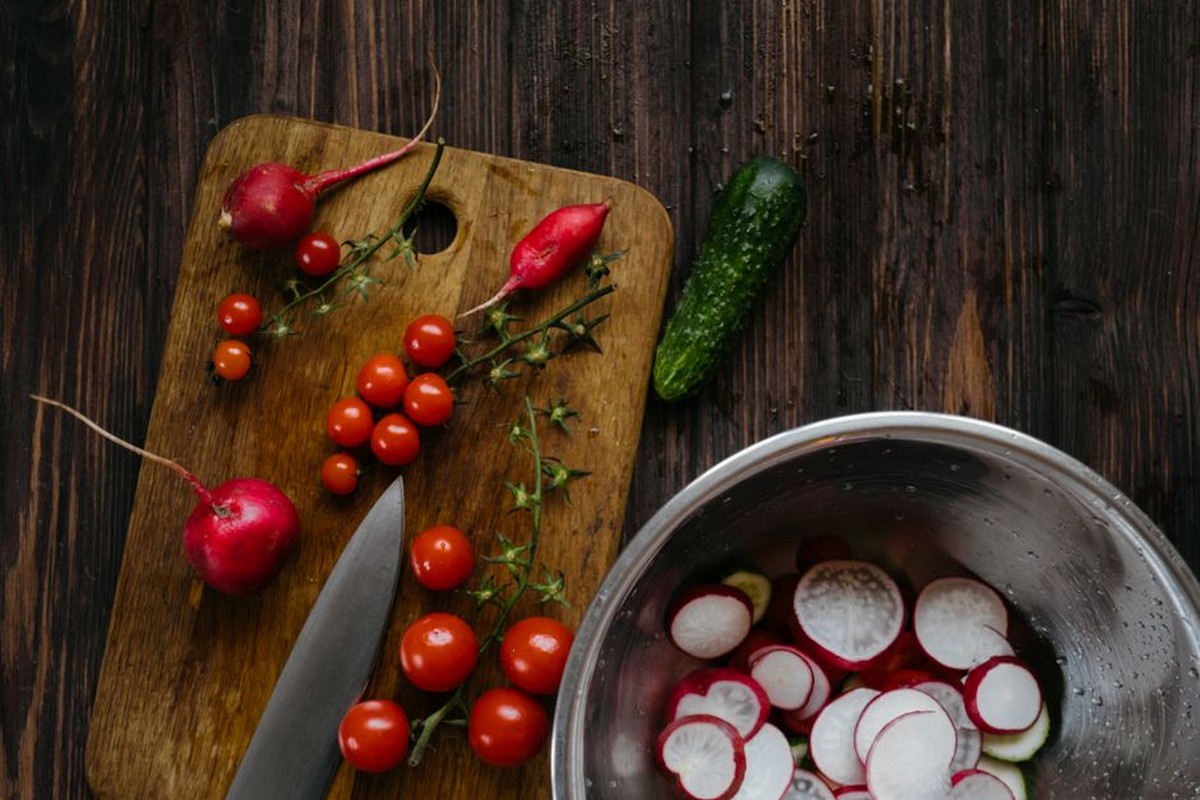
Instead of buying many different vegetables at once, choose three or four that offer contrast. One sturdy vegetable such as carrots or cauliflower, one quick-cooking option such as courgettes or greens, and one fresh element such as tomatoes, radishes, or herbs creates plenty of variety. This keeps the fridge manageable and encourages ingredients to be used before they lose their best texture.
Prepare once, cook in different ways
Basic preparation can be done shortly after shopping. Wash leafy vegetables, trim roots, and store herbs loosely wrapped so they stay fresh. Avoid chopping everything in advance; whole vegetables generally keep their texture longer. Instead, prepare only the items you know you will use over the next day or two.
From there, rely on a few adaptable methods. Roast firm vegetables with olive oil and salt. Sauté greens quickly with garlic or lemon. Shave crisp vegetables into salads. Simmer softer vegetables into soups or spoon them over grains. The same basket can therefore produce meals that do not feel repetitive.
Build flavor with a few constants
A small group of pantry ingredients can make vegetables feel complete: good oil, vinegar, mustard, toasted seeds, fresh herbs, yoghurt, hard cheese, and citrus. Rather than using everything at once, choose one bright element and one richer element. Lemon and olive oil, yoghurt and herbs, or mustard and vinegar are simple combinations that work across many vegetables.
Use the leftovers deliberately
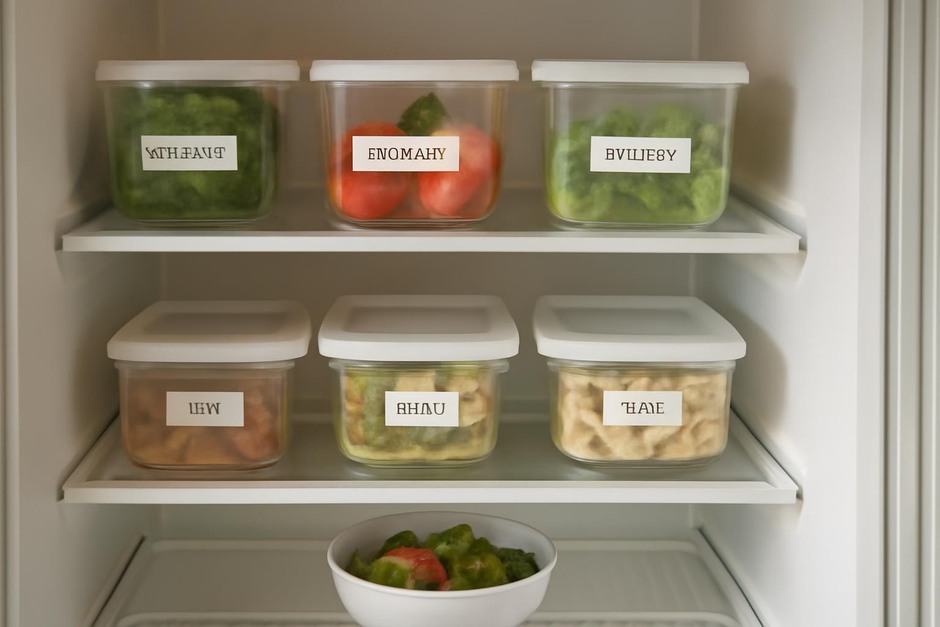
Cooked vegetables are often easier to use the next day than raw leftovers. Add them to an omelette, fold them into a grain bowl, blend them into soup, or serve them at room temperature with a dressing. A small container of prepared vegetables can also make a quick lunch feel more substantial.
The goal is not to follow the season perfectly. It is simply to notice what looks good, buy an amount you can realistically use, and let a few reliable techniques do most of the work.