The First Tools Worth Keeping at Home
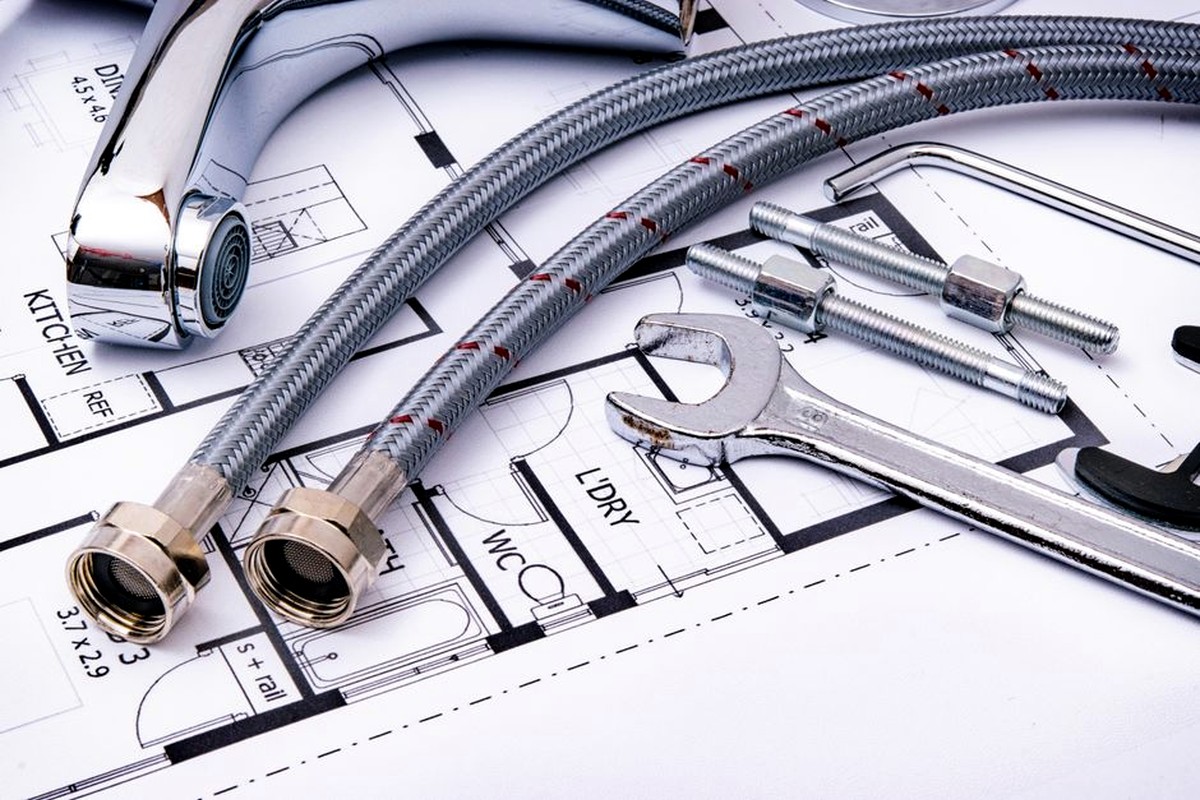
You do not need a workshop full of equipment to handle ordinary household jobs. A small set of dependable tools covers loose handles, flat-pack furniture, picture hanging, simple measurements, and many other routine adjustments. Starting with a compact kit also makes it easier to learn what you genuinely use before buying specialized equipment.
The core hand tools
A medium claw hammer, a tape measure, an adjustable wrench, and a pair of combination pliers form a practical base. Add a screwdriver with interchangeable flat and Phillips bits, or a small set of individual screwdrivers if you prefer fixed handles. These tools cover a surprising number of everyday tasks.
A retractable utility knife is also useful for opening packages and trimming light materials. Store spare blades separately and retract the blade fully after use.
Small items that save time
A compact spirit level makes shelves and frames easier to position. A pencil and a roll of painter’s tape are helpful for marking walls without leaving heavy marks. A small flashlight or headlamp is useful under sinks, behind appliances, and inside cupboards where overhead lighting does not reach.
Keep a modest selection of common screws, wall plugs, picture hooks, and cable ties in a divided box. There is no need to stock every size; the goal is simply to have a few useful basics for minor jobs.
Choose storage that encourages use
A shallow toolbox or sturdy zip case is usually enough. Keep everything together in one predictable place rather than spreading tools across drawers. Wipe tools dry before storing them, return bits to their holders, and replace damaged items instead of relying on makeshift substitutes.
Know where the toolkit ends
Basic tools are for simple, familiar jobs. Work involving mains electricity, gas, structural changes, or problems you do not understand should be left to an appropriately qualified professional. Knowing when not to continue is part of using tools responsibly.
Over time, add items only when a recurring task justifies them. A toolkit built slowly around real needs is usually more useful than a large set bought all at once.