Kitchen Towels and Cloths: Materials, Weaves, and Care Methods Compared
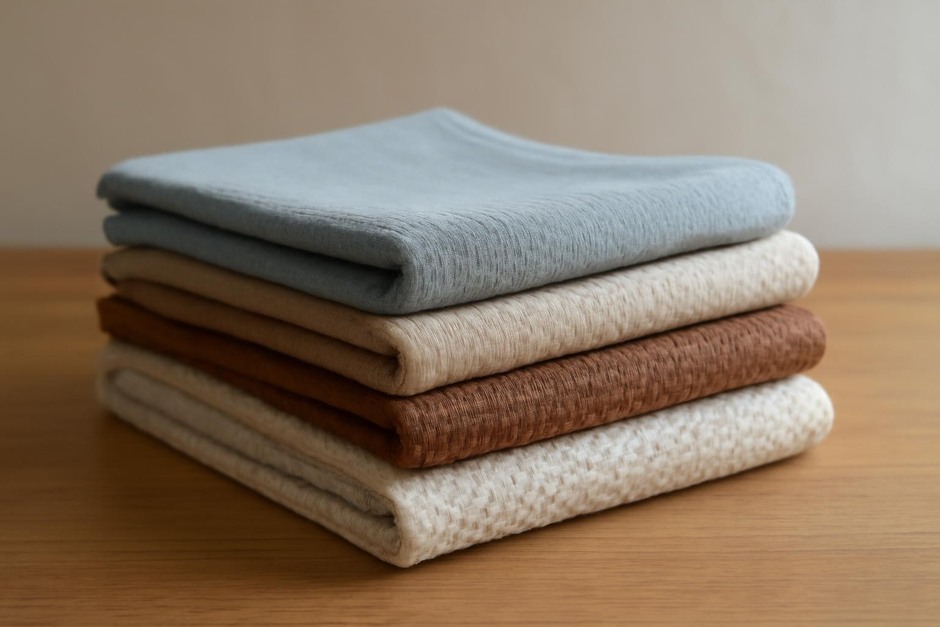
Opening observation: A small, utilitarian object like a kitchen towel can shape the feel of daily tasks—drying dishes, wiping counters, handling hot pans. Yet the choices available (material, weave, size, and how you wash them) carry practical trade-offs that affect absorbency, durability, drying time, and environmental footprint. Below are four thematic comparisons to help you match a towel to how you actually cook and clean.
Materials: Cotton, Linen, Microfiber, and Alternatives
Different fibers bring distinct properties. Consider these common options and their trade-offs:
- Cotton: Widely available, soft, and absorbent. Long-staple cotton (e.g., Egyptian, Pima) tends to be more durable. Trade-offs: cotton holds water and can take longer to dry; repeated high-heat wash and tumble may increase shrinkage or wear.
- Linen: Fast-drying, naturally lint-free, and becomes more absorbent with use. Trade-offs: linen can feel rough at first, costs more, and wrinkles easily—though that can be a visual preference rather than a functional problem.
- Microfiber (synthetic): Exceptional quick-drying and scouring action for greasy surfaces; very lightweight. Trade-offs: synthetics attract lint from natural fibers, can hold odors if not washed hot enough, and are petroleum-based—an environmental consideration.
- Hemp and blends: Durable, mildew-resistant, and increasingly available in blends with cotton. Trade-offs: heavier hand and initial stiffness; often costlier and slower to soften.
Weave, Weight, and Finish: How Structure Shapes Performance
The same fiber behaves differently depending on weave and weight.
- Waffle/Zero-twist weaves: Increase surface area and aeration, improving absorbency and drying. Good for general-purpose dish drying. Trade-off: may trap crumbs and require occasional shaking out.
- Plain/flat tea towels: Thin and quick to dry; useful for polishing glass and bread service because they leave less lint. Trade-off: less absorbent for large spills.
- Terry cloth: Looped pile increases absorbency for heavy-duty tasks like drying pans. Trade-off: heavier and slower to dry; can hold onto smells if left damp.
- Weight (gsm): Heavier grams per square meter mean more absorbency and durability, lighter weights dry faster and are easier to store. Choose based on whether you prefer quick-drying or heavy-duty performance.
Care Methods and Longevity: Washing, Drying, and Stain Management
How you launder towels affects both hygiene and lifetime performance. Below are practical methods and what they mean over time.
- Wash temperature: Hot water sanitizes better and helps remove grease from microfiber, but repeated hot washes can fade colors and stress some natural fibers. A warm wash is a reasonable middle ground for mixed loads.
- Detergent and additives: Use standard detergent; avoid fabric softener on towels because it coats fibers and reduces absorbency. For stubborn odors on synthetics, occasional baking soda or a vinegar rinse can help reset the fabric without harsh chemicals.
- Drying: Line-drying preserves fibers and reduces energy use but may leave linen wrinkled. Tumble-drying at moderate heat speeds turnaround and softens cotton, though high heat accelerates wear over the years.
- Stain and grease treatment: Blot fresh spills rather than rubbing. For grease, pretreat with dish soap before laundering. Periodically rotating towels and laundering frequently (every few days if used for dishes) prevents buildup that shortens useful life.
Task Matching and Practical Methods for Everyday Use
Pick a small set of cloths and assign clear roles; this reduces cross-contamination and preserves each towel’s strengths.
- One or two linen or flat cotton tea towels for glassware and finishing—low lint, quick for light tasks.
- A couple of waffle or terry towels dedicated to dish-drying—greater absorbency and durability for heavy use.
- Microfiber cloths reserved for greasy surfaces and stainless steel—excellent at scrubbing without added cleaners but wash separately from cotton to avoid lint pickup.
- Keep a small stack of inexpensive, replaceable scrim or utility cloths for messy tasks (raw ingredients, spills) so your nicer towels last longer.
Storage and rotation methods matter: let towels fully dry between uses, fold them loosely to promote airflow, and store in a dry drawer. Labeling roles (even mentally) and replacing a towel once it shows persistent odor or thinning keeps your set functional without overbuying.
Conclusion: Choosing with Practical Trade-offs in Mind
No single material or method is perfect. Linen gives fast drying and low lint at higher cost and initial stiffness; cotton balances absorbency and comfort but needs attention to drying; microfiber excels at streak-free cleaning and quick drying but has environmental and odor-care trade-offs. A small, intentional mix—tea towels for finishing, waffle or terry for drying, microfiber for greasy work, and utility cloths for messes—combined with sensible laundering (no fabric softener, regular washing, full drying) delivers the most practical and long-lived outcome for everyday kitchen routines.