Store, Prep, Eat: Two Practical Systems to Cut Household Food Waste
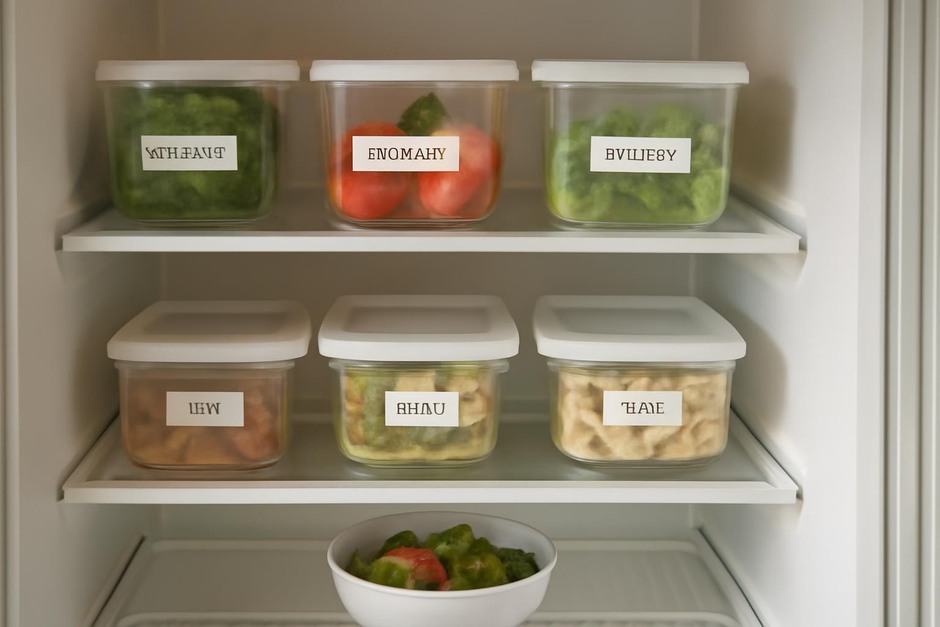
When I tracked what left my kitchen as compost over a month, the most obvious pattern was timing: food that sat untouched until it smelled off, and food that I converted into a ready-to-eat item within a day or two. Over time two distinct approaches evolved for keeping less food on that compost pile. Both are simple to set up; they ask for slightly different habits and offer different trade-offs.
Approach A: Storage Rotation (First-In, First-Out)
What it is: Arrange your fridge, freezer, and pantry so newer purchases go behind older ones. Use visible placement and simple labels (date bought, use-by date) so the next item you reach for is the oldest.
How to set it up
- Keep a small, labeled shelf or crate for items nearing their use-by date.
- When you unpack groceries, move existing packages forward and put new ones behind.
- Use transparent containers for leftovers and label them with the date.
- Adopt a weekly 5-minute fridge check to spot items for that week’s meals.
What it helps with
- Large households or shared kitchens where many hands access food; visible rotation reduces accidental neglect.
- Longer-term staples (bulk grains, frozen portions) that benefit from a clear order.
- Kitchens that prefer shopping less often and maximizing stored inventory.
Trade-offs
- Requires a little discipline each time you put away groceries.
- Less helpful if you frequently change plans and don’t cook what’s on hand.
- Works best with clear storage containers and some labeling effort.
Approach B: Ready-to-Eat Prep (Cook or Portion Quickly)
What it is: Transform perishable ingredients into ready-to-eat or quick-to-use components within 24–72 hours of purchase. Think pre-washed greens, chopped vegetables, portioned proteins, and single-serving meals in the fridge or freezer.
How to set it up
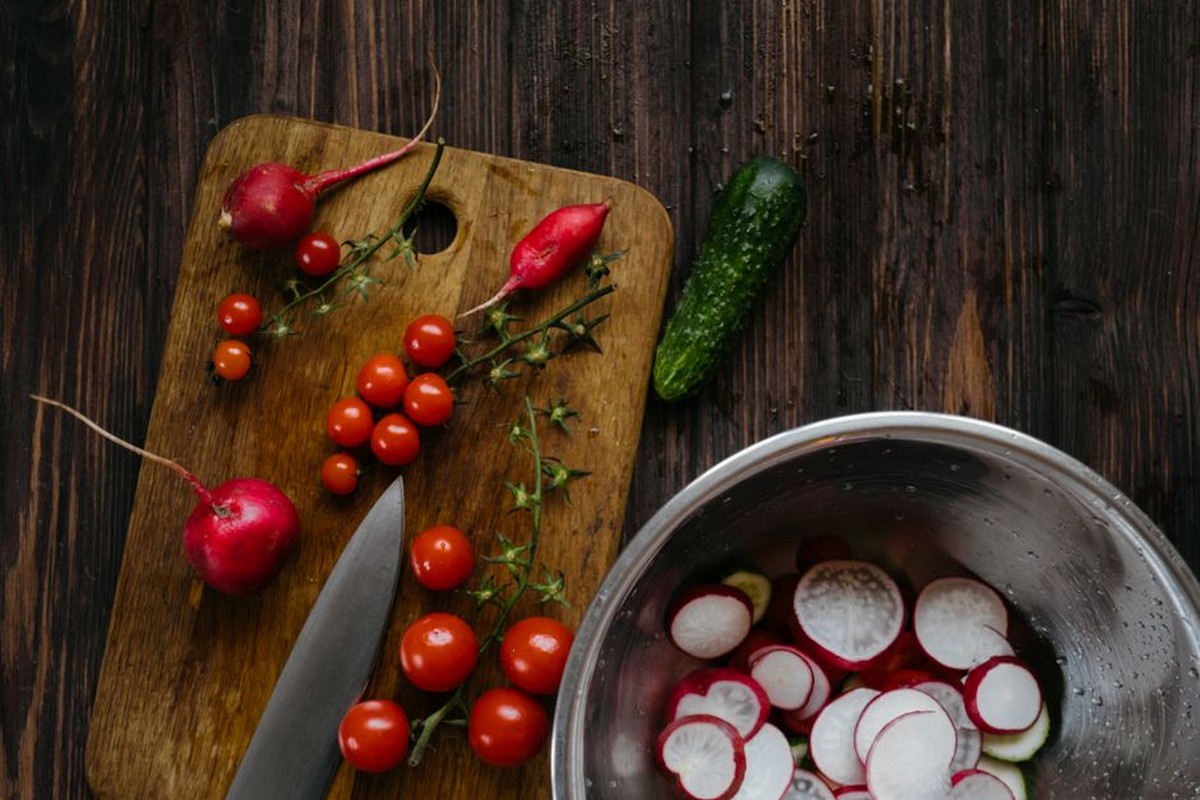
- Designate a 20–40 minute slot after shopping to wash, chop, and portion key ingredients.
- Invest in a few reusable storage containers in varied sizes and airtight lids.
- Label containers with contents and date, and place the newest preps behind older ones.
- Cook extra when you make meals and portion the leftovers into meal-sized packs.
What it helps with
- Busy schedules—having ready components lowers the activation energy for meals.
- Those who prefer to eat perishables early, turning them into meals rather than risking spoilage.
- Reducing decision fatigue; you see prepared options and pick one.
Trade-offs
- Requires time investment soon after shopping and some upfront cooking energy.
- Needs fridge space for prepared items, and containers to store them.
- Some items lose peak freshness after prepping (e.g., certain fruits), so method matters.
Choosing Between the Two (or Combining Them)
Both approaches aim to shift food from a passive state—forgotten on a shelf—to an active state where it’s consumed. The right choice depends on a few observed factors.
Household size and dynamics
- Multiple people with different schedules: Storage rotation keeps a shared system clear and predictable.
- Single person or two with irregular hours: Ready-to-eat prep pays off by making quick meals easy.
Shopping frequency
- Weekly or less often: Rotation helps manage longer on-shelf life and avoids surprises.
- Frequent small shops: Prep can reduce daily cooking effort and food waste from impulsively bought perishables.
Time and energy patterns
- If you have predictable pockets of time immediately after shopping, use them to prep.
- If you prefer low-effort daily routines, set up rotation habits that only require brief checks.
Food types you buy most
- Leafy greens, soft fruits, and herbs benefit from quick prep and careful storage; prep them when you can eat them within a few days.
- Staples—grains, canned goods, frozen items—benefit most from rotation to avoid long-forgotten cans or bags.
Often the best path is a hybrid: rotate pantry and long-term fridge items, and prep the highly perishable things you intend to eat first. A simple start: commit to a 5-minute weekly rotation check and one 30-minute prep session after your main grocery run. Note what changes—less compost, fewer impulse meals—and adjust.
In practice the smallest observation—how often you walk past the fridge and what you reach for—tells you which method will stick. Match the system to that behavior, and you’ll turn small efforts into steady reductions in food waste.