How to Line-Dry Clothes at Home: A Step-by-Step Method with Variations and Troubleshooting
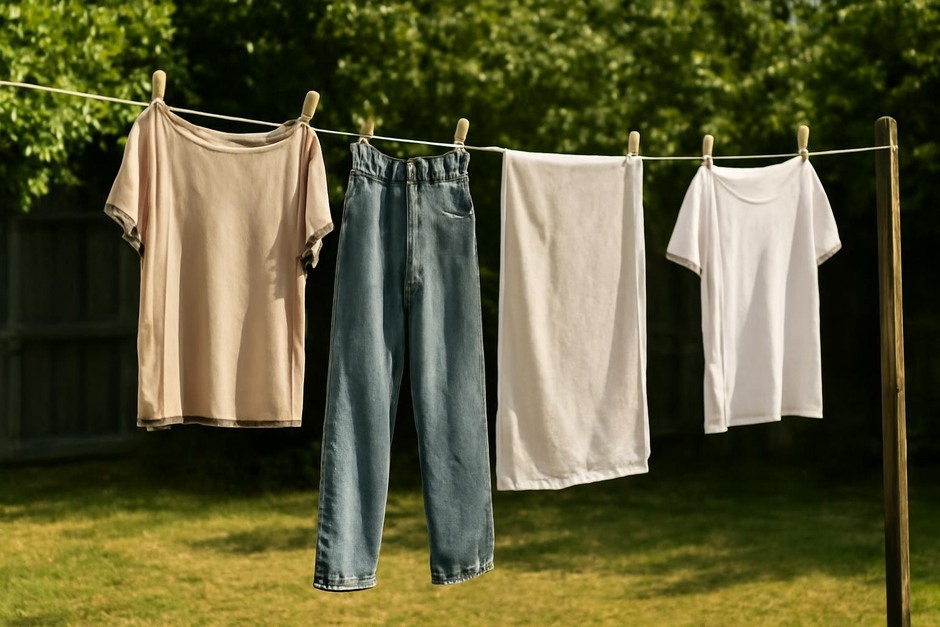
Before electric tumble dryers became common in the mid-20th century, people around the world relied on lines, racks, and breezes. Line-drying is not only a low-energy alternative; it’s a gentle, fabric-friendly method that can extend the life of clothing, reduce wrinkles, and leave garments smelling fresh. The practice also connects us to a longer history of household rhythms: timing laundry with sun, wind, and seasons. Below is a straightforward, modern step-by-step method followed by practical variations and troubleshooting advice to make line-drying work in any home.
Step-by-Step Method
- Choose the right spot and equipment. Outdoors, use a clothesline, rotary dryer, or folding drying rack in a sunny, breezy spot. Indoors, place a collapsible rack near a well-ventilated area or a window. For small spaces, ceiling-mounted pulleys or over-door racks work well.
- Prep garments after washing. Use a high spin cycle to remove excess water; the less water left in the fabric, the faster it dries. Shake garments out to reduce wrinkles and reshape hems and collars while damp.
- Group by fabric and thickness. Hang heavier items (towels, jeans) together on a sturdier line and lighter items (sheets, T-shirts) where they can catch air. This helps set realistic expectations for drying times and prevents heavy pieces from sagging lighter lines.
- Hang strategically. Use clothespins for secure hanging. For shirts, hang by the hem or shoulders to avoid stretching; for pants use the waistband or hang by the hem folded over the line. For socks and small items, clip them inside out to reduce fading and keep the pin marks off visible surfaces.
- Maximize airflow and sun exposure. Leave space between items; overlapping slows drying and can cause mildew. If using a rack, turn items occasionally so all sides receive air. When possible, hang darker garments to the edge where sunlight is strongest for faster drying.
- Finish and store while slightly damp. Many fabrics iron or fold more easily while a bit damp. For cotton shirts, remove them when slightly damp and hang on a hanger to finish drying and reduce wrinkles. Fold or store garments completely dry to avoid mustiness.
Practical Variations
- Small apartments: Use a compact drying rack near a sunny window or a balcony rail. A dehumidifier or oscillating fan can speed indoor drying in humid climates.
- Winter drying: Create warm, dry air movement with a fan and a safe space heater set at a distance, or use an enclosed balcony with ventilation. Dry heavier items on racks spaced farther apart, and rotate them to speed drying.
- Delicate knits: Lay flat on a mesh drying rack or clean towel to prevent stretching. Reshape pieces to original dimensions while damp.
- Travel and camping: Pack a lightweight travel clothesline (a braided cord with carabiners) and a few clothespins. Opt for quick-dry fabrics and spin-dry in a sink before hanging.
- Urban balconies: Use a peg rail or retractable line and hang items so they don’t drip onto neighbors. Consider privacy screens or curtains if needed.
Troubleshooting Common Issues
Clothes are stiff after drying
Stiffness is normal, especially with hard water or when items dry fully without movement. Toss drying clothes in a quick tumble in a dryer for 5–10 minutes if available, or fluff them by hand and iron or steam while slightly damp. A splash of white vinegar in the rinse cycle (about 1/4 cup per load) can reduce stiffness without residue.
Slow drying or persistent dampness
Increase air circulation—add a fan or move the rack to a breezier spot. Reduce load size or spin garments longer in the washer. For indoor spaces, briefly open windows to exchange humid air for drier air when weather allows.
Musty or mildew smells
These smells mean clothes spent too long damp. Rewash the affected items with a cup of baking soda or a short cycle with a bit of white vinegar, then dry them fully in sunlight or with enhanced airflow. Prevent recurrence by spacing garments properly and checking them before storage.
Sun bleaching and fabric damage
Direct sun fades some colors, especially reds and blues. Protect dyed fabrics by turning them inside out, hanging them in partial shade, or using a clothesline that allows some movement out of peak sun hours. Delicate fabrics benefit from shade drying.
Pollen or outdoor allergens on clothes
If you’re sensitive to pollen, dry clothes indoors during high-pollen seasons or hang them in a screened balcony. Shake garments out before bringing them inside and consider a quick airing indoors before wearing.
Line-drying is a small change with outsized benefits: lower energy use, gentler fabric care, and a slower, steadier rhythm added to daily routines. Like any practical habit, it improves with small adjustments—experiment with hang patterns, timing, and gear until you find a system that fits your space and season.