How to Plan a Relaxed Weekend Day Trip
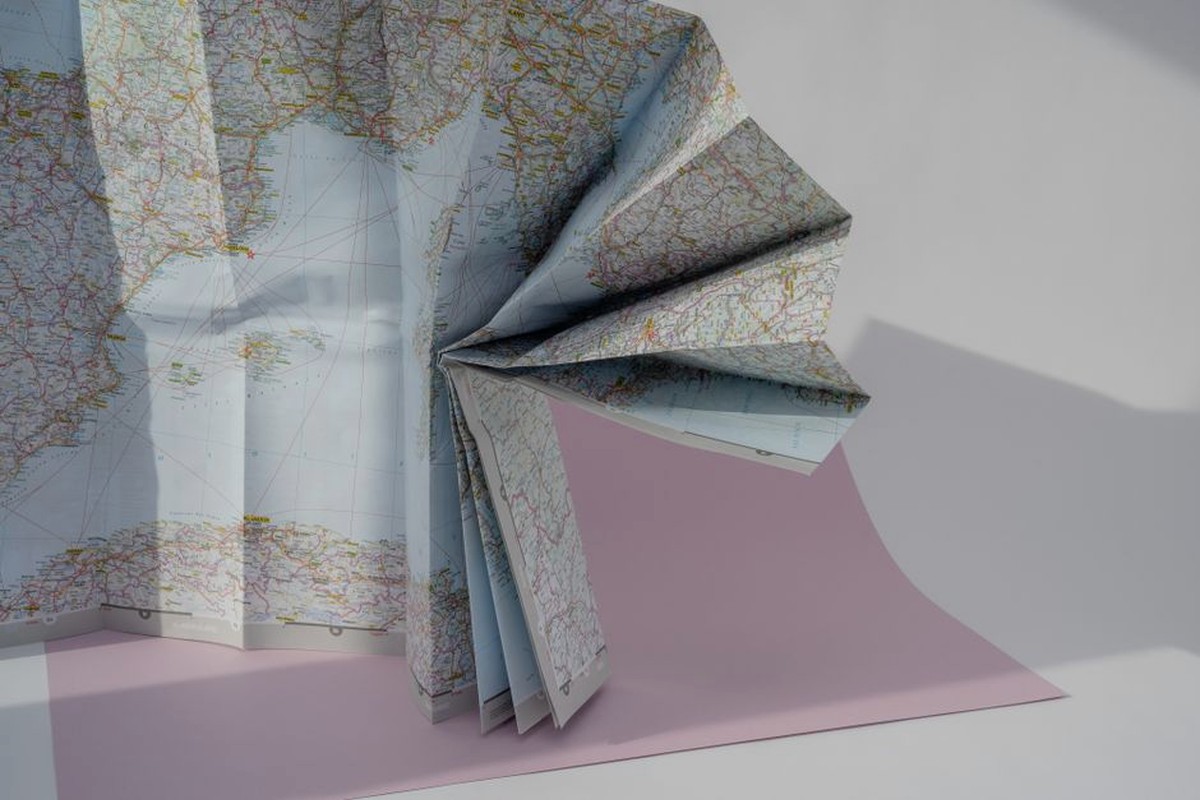
A good day trip does not need a packed itinerary. In fact, the most memorable short journeys often have only a loose shape: one destination, a few useful details, and enough spare time to notice what is around you. Planning with this lighter approach makes it easier to enjoy a nearby town, walking route, garden, coast, or museum without turning the outing into a timetable.
Begin with the radius, not the checklist
Start by deciding how much travel time feels comfortable for a single day. For many people, one or two hours each way is enough to create a sense of distance while still leaving most of the day free. Looking at a map within that radius can be more inspiring than searching for a long list of “must-see” places. Small market towns, lakes, railway stops, historic neighborhoods, and nature reserves can all work well.
Choose one main reason for the trip. It might be a coastal walk, a local exhibition, a bakery you have wanted to try, or simply a change of scenery. A single anchor keeps the day coherent and makes everything else optional.
Check the practical details once
Before leaving, confirm opening hours, transport frequency, parking rules if relevant, and the weather. Save the address of the main stop and one backup café or indoor option. This small amount of preparation is usually enough to avoid preventable detours without overplanning.
If you are traveling by train or bus, note the final few return departures rather than committing to one exact service. That creates flexibility while still giving the day a clear boundary.
Pack for comfort and flexibility
A small bag is usually sufficient. Water, a light layer, a compact umbrella, a portable charger, and a snack cover most ordinary situations. Comfortable shoes matter more than specialized gear for an easy urban or countryside outing. A paper map or downloaded offline map can also be useful where reception is inconsistent.
Leave a blank hour
The easiest way to make a short trip feel generous is to protect some unscheduled time. Sit somewhere with a view, browse a bookshop, follow an interesting side street, or take a slower route back to the station. That unclaimed hour often becomes the part of the day that feels most distinct from an ordinary routine.
When you return, make a quick note of what worked: travel time, a good lunch stop, or a route worth repeating in another season. Over time, these small observations become a personal collection of easy escapes that require very little planning.